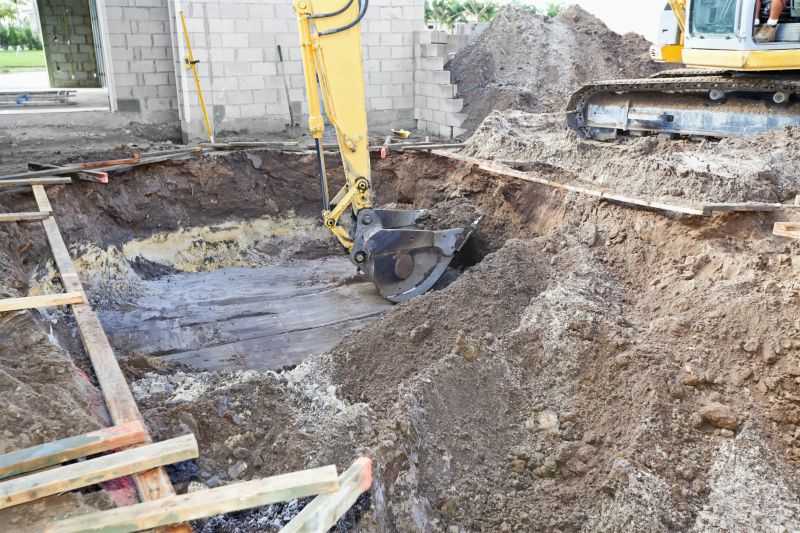
Pool Excavation in Atlanta, GA
Pool excavation services involve the removal of earth and debris to prepare a site for the installation of a new swimming pool or the renovation of an existing one. These services typically cover a range of projects, including digging foundations for in-ground pools, shaping the landscape for pool surrounds, and preparing the ground for features like waterfalls or spas. Property owners considering pool excavation should understand the scope of work involved, including site accessibility, soil conditions, and any necessary permits or approvals to ensure a smooth and efficient process.
Before requesting pool excavation, homeowners often want to clarify the size and depth of the pool, the type of soil on the property, and any underground utilities or obstructions that may impact the project. It’s also helpful to consider how the excavation will integrate with existing landscaping and drainage systems. Having a clear understanding of these factors can help property owners plan effectively and ensure the project aligns with their vision for the backyard space.
Many property owners in Atlanta, GA look into Pool Excavation for repairs, replacements, upgrades, and appearance-related improvements.
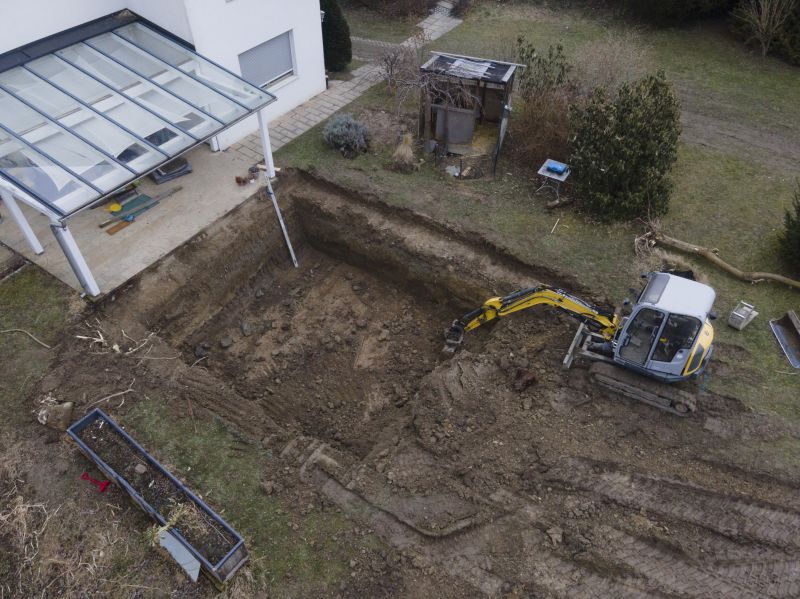
Pool Excavation Process
Proper excavation prepares the site for a safe and durable pool installation.
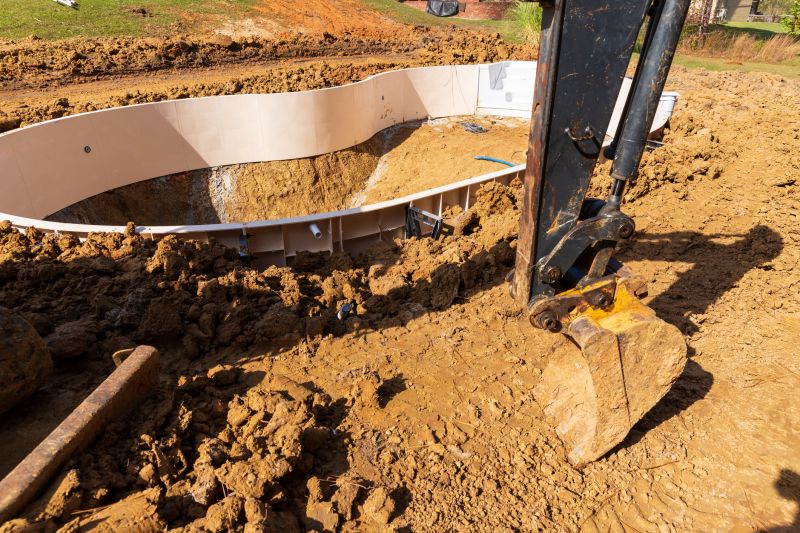
Equipment And Techniques
Advanced machinery ensures efficient removal of soil and precise shaping of the pool area.
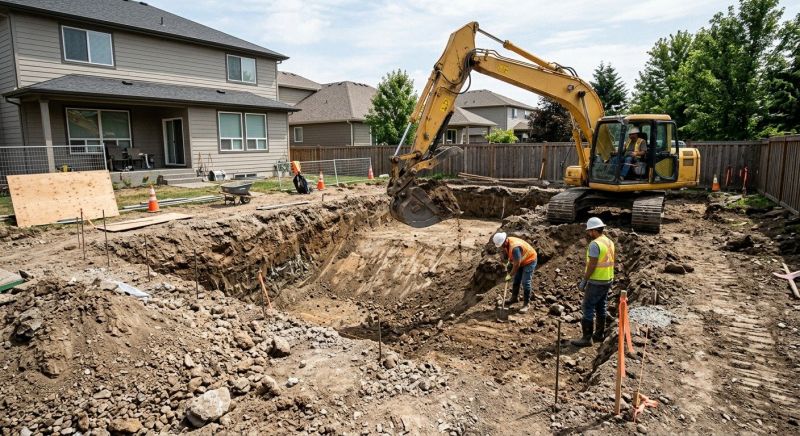
Property Preparation Tips
Clear and level terrain helps facilitate a smooth excavation and installation process for homeowners in atlanta, ga.
Pool Excavation in Atlanta, GA
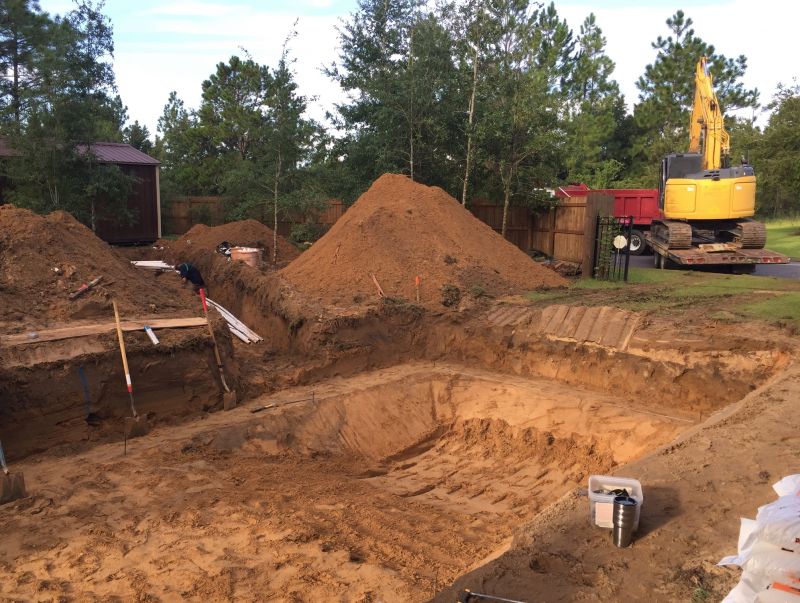
Pool excavation services involve the removal of earth and debris to prepare a site for the installation of a new swimming pool or the renovation of an existing one. These services typically cover a range of projects, including digging foundations for in-ground pools, shaping the landscape for pool surrounds, and preparing the ground for features like waterfalls or spas. Property owners considering pool excavation should understand the scope of work involved, including site accessibility, soil conditions, and any necessary permits or approvals to ensure a smooth and efficient process.
Before requesting pool excavation, homeowners often want to clarify the size and depth of the pool, the type of soil on the property, and any underground utilities or obstructions that may impact the project. It’s also helpful to consider how the excavation will integrate with existing landscaping and drainage systems. Having a clear understanding of these factors can help property owners plan effectively and ensure the project aligns with their vision for the backyard space.
Many property owners in Atlanta, GA look into Pool Excavation for repairs, replacements, upgrades, and appearance-related improvements.
Common Pool Excavation Jobs
In-ground pool excavation involves digging and preparing the site for new pool installation.
Pool removal and demolition includes safely excavating and removing existing pools no longer in use.
Retaining wall excavation supports pool structures and surrounding landscaping.
Site clearing and grading prepares the yard for proper drainage and pool placement.
Soil testing and preparation ensures a stable foundation for the new pool.
Landscape excavation shapes the yard to integrate the pool seamlessly into the property.
Pool Excavation Questions
What is involved in pool excavation? Pool excavation includes digging and removing soil to create the desired shape and depth for the pool structure.
How deep does the excavation need to be? The depth depends on the pool design and type, ensuring proper foundation and water capacity.
Is site preparation necessary before excavation? Yes, clearing the area of debris and leveling the ground helps ensure accurate excavation and installation.
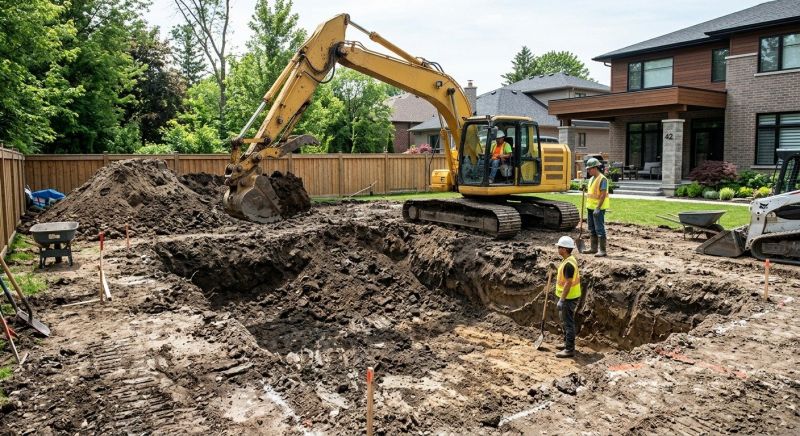
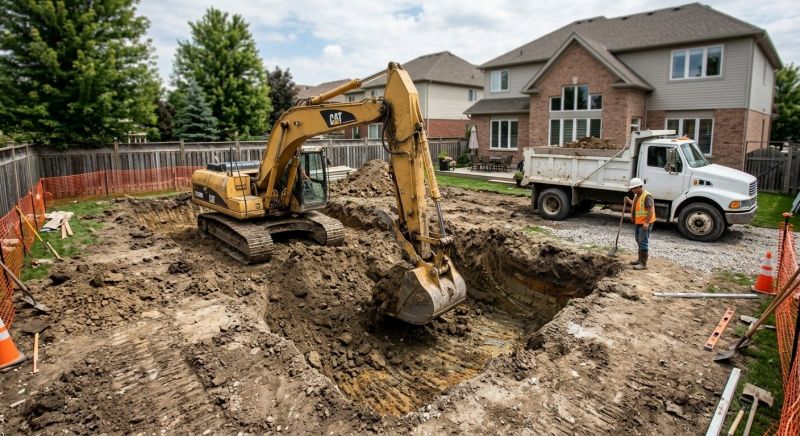
What equipment is used during pool excavation? Heavy machinery like excavators and backhoes are typically used to efficiently dig and move soil.
Request Pool Excavation in Atlanta, GA
Use the quote form on this page to share the basics of your project and request more information for the type of work you need.